When We Stopped Forcing the Fun
For a long time, I thought successful family outings meant staying until everyone else was ready to leave.
If we paid for admission to a museum, we should see the entire museum. If we planned a day trip, we should make the most of the day. If an activity was supposed to be fun, then surely we should stay until it was over.
At least, that was the expectation I carried.
My son, however, had different plans.
Like many children with autism, ADHD, and sensory differences, he experienced the world in ways that were not always visible to other people. What looked like a simple family outing often involved processing crowds, noise, unexpected changes, transitions, and sensory information that many of us barely noticed.
Over time, I realized that some of our most difficult days happened when I was trying to make the activity fit my expectations rather than paying attention to what my son was telling me.
The lesson took years to learn, but it changed the way our family traveled, explored, and spent time together.
We stopped forcing the fun.
Listening to What Wasn’t Being Said
Children communicate in many ways.
Sometimes they tell us directly that they are overwhelmed.
Other times they become quieter than usual. They may become restless, emotional, withdrawn, or frustrated. They may lose interest in something they were enjoying only minutes before.
When my son was younger, I often viewed these moments as obstacles to get through.
Now I see them differently.
Many of those behaviors were communication.
His nervous system was telling us that he had reached his limit.
Once I began looking at those moments through that lens, it became easier to make decisions that supported him rather than pushing him further into overwhelm.
Letting Go of the Perfect Itinerary
When we traveled, we gradually stopped planning every hour of the day.
Instead, we built flexibility into our schedule.
We learned that some attractions would be a great fit and others would not. We discovered that a shorter visit that ended successfully was often better than a longer visit that ended in frustration.
Sometimes we spent only an hour at a museum.
That was enough.
Sometimes we found a quiet corner, explored one exhibit, and then moved on.
That was enough too.
The goal stopped being to see everything.
The goal became helping everyone enjoy the experience.
Choosing Activities That Matched Our Child
One of the biggest changes we made was becoming more intentional about the activities we chose.
Rather than selecting attractions based on what tourists were “supposed” to do, we started considering what would work best for our child.
We looked for quieter museums.
We searched for locations that offered calm spaces or opportunities to take breaks. Legoland is a great example. They have quiet sensory areas where we could take a break and then go back out and enjoy more of the park.
We sought out outdoor activities whenever possible.
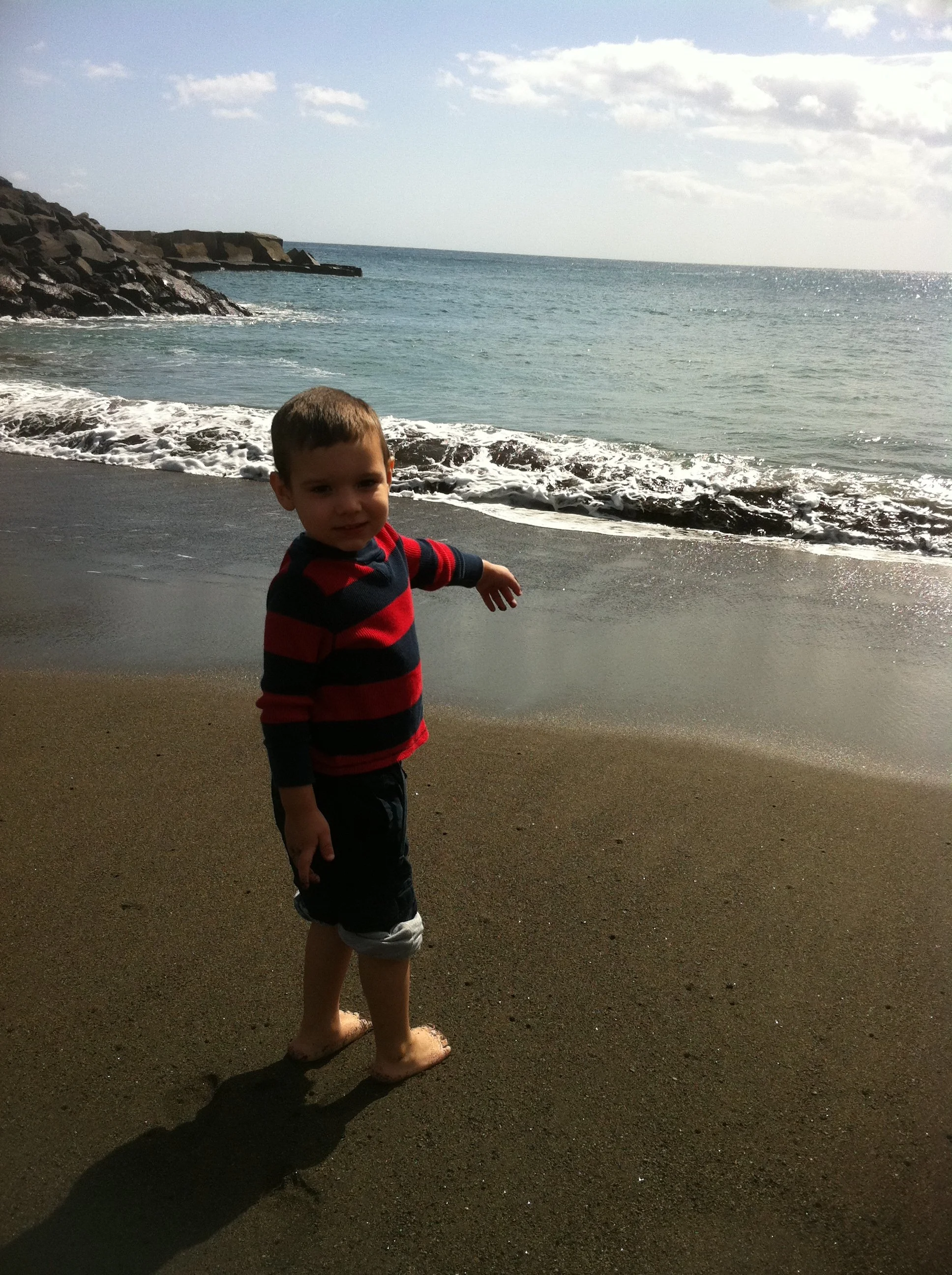
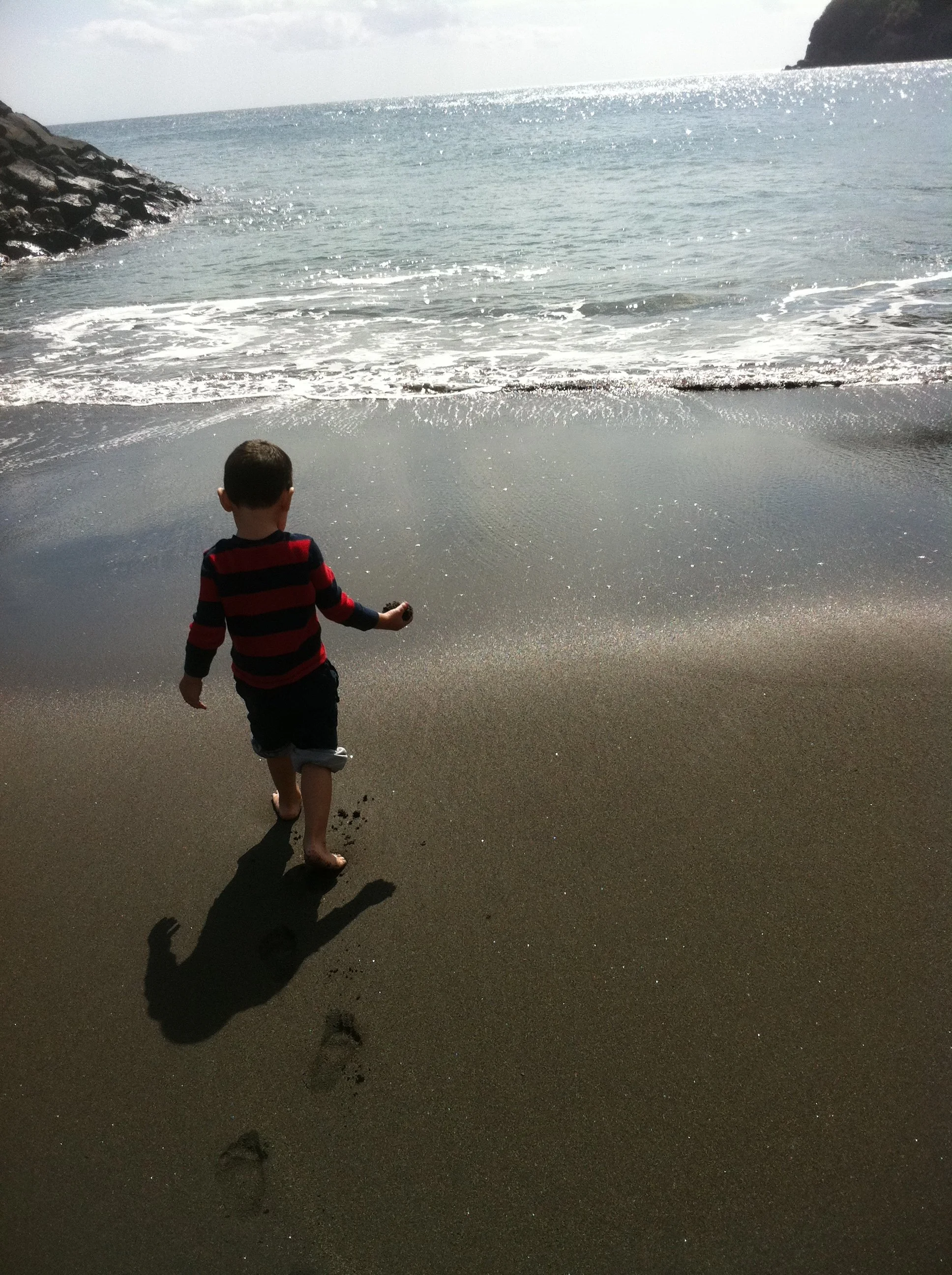
Movement helped my son regulate.
Whether he was running, climbing, exploring, swimming, or sledding during snowy visits to Chicago, physical activity helped him organize his body and calm his nervous system.
What looked like simple play was often an important part of helping him successfully participate in the rest of the day.
Some of our happiest family memories happened outdoors.
Not because they were elaborate or expensive, but because everyone was able to enjoy them.
Leaving While Things Were Still Going Well
This may have been the hardest lesson for me to learn.
There were times when I knew my son was finished with an activity, but part of me wanted to stay longer.
After all, we had traveled there.
We had paid for admission.
We had made plans.
Surely we should get our money’s worth.
But I learned that staying longer rarely improved the experience.
In fact, it often made things harder.
Over time, we began leaving while things were still going well.
We left before exhaustion turned into frustration.
We left before enjoyment turned into overwhelm.
We left while the experience was still a positive one.
At first, it felt strange.
Eventually, it felt freeing.
A Different Definition of Success
As parents, it is easy to compare our experiences to those of other families.
It is easy to believe that a successful outing means staying all day, seeing every attraction, and checking every item off the itinerary.
Our family learned something different.
Success wasn’t measured by how much we accomplished.
Success wasn’t measured by how long we stayed.
Success wasn’t measured by whether we did what everyone else was doing.
Success was measured by whether our family enjoyed the experience.
Sometimes that meant spending an hour at a museum.
Sometimes it meant spending three hours sledding because no one wanted to leave.
Sometimes it meant changing plans entirely.
And that was okay.
What We Gained
When we stopped forcing the fun, something unexpected happened.
Family outings became more enjoyable.
Travel became less stressful.
Our son became more willing to try new experiences because he trusted that we were listening when he told us he had reached his limit.
Most importantly, we created memories that felt positive rather than exhausting.
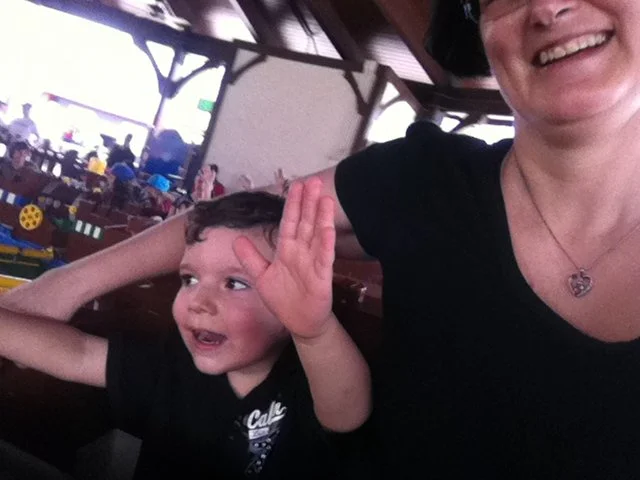
First Roller Coaster Ride at LegoLand
Looking back, I don’t think we lowered our expectations.
I think we adjusted them.
There is a difference between helping a child build resilience and pushing them beyond their ability to cope.
Learning that difference changed everything.
And some of our very best family memories began the moment we stopped trying to make our child fit the plan and started shaping the plan around our child.