
Welcome to the Support & Caregiving Blog.
This space offers gentle support, encouragement, and resources for caregivers, families, neurodivergent individuals, and those navigating developmental, sensory, medical, and memory-care journeys.
When people feel supported, connection and growth become possible.
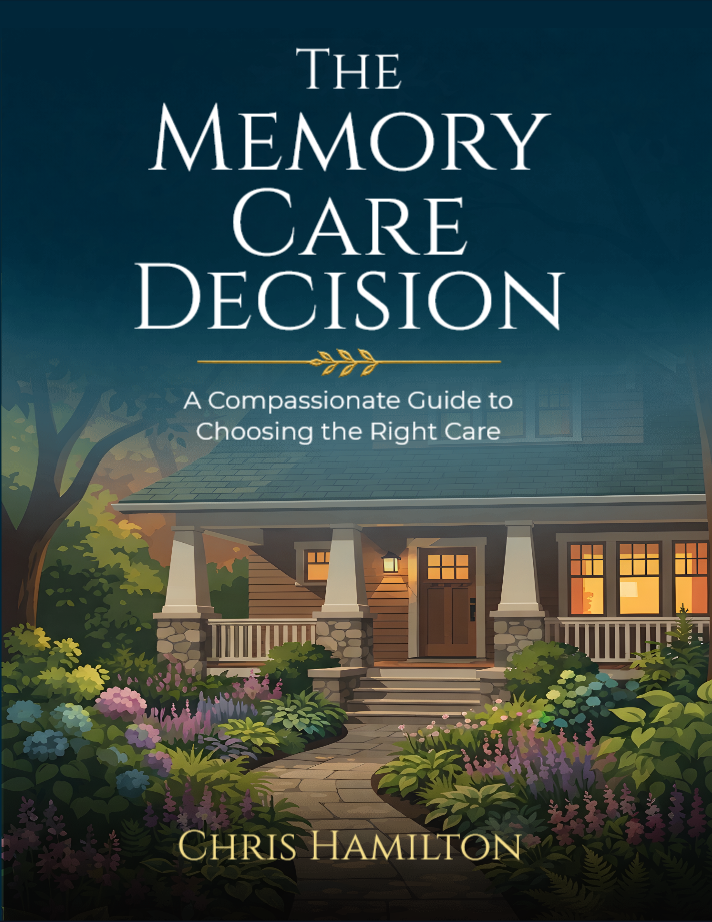
Why I Wrote The Memory Care Decision
Navigating memory care for my mom brought questions I wasn’t sure how to answer. That experience inspired The Memory Care Decision: A Compassionate Guide to Choosing the Right Care. I’m sharing why I wrote it and how the guide and free printable companion workbook can help families facing similar decisions.

How to Talk to Your Baby When You Don’t Know What to Say
Learn simple ways to talk to your baby during everyday routines, respond to their sounds, and make room for early back-and-forth conversations.

Why Floor Time Matters: The Simple Way Babies Build Strength, Coordination, and Confidence
Learn how simple floor play supports your baby’s strength, movement, sensory development, coordination, and early learning.

How Do You Know When It’s Time for Memory Care?
There is rarely one clear moment when a family knows it is time for memory care. Learn the signs that care needs may be changing, from safety concerns and caregiver exhaustion to increasing supervision and repeated crises.

The Invisible Work of Parenting a Neurodivergent Teen Through High School
Parenting a neurodivergent teen often means doing a lot of work no one else sees: researching, reminding, advocating, stepping in, and sometimes forcing yourself to step back. This post is about the constant question behind so much of that work: when does support help, and when does it get in the way of a teenager learning that they can handle hard things on their own?

AI Fall Detection in Memory Care: What Families Should Know About Safety, Privacy, and Consent
AI fall detection in memory care can help families understand why falls happen and improve safety. Learn what to ask about cameras, consent, privacy, and resident dignity.

When a Person With Dementia Says “I Want to Go Home”—Even When They Are Home
Why does someone with dementia say “I want to go home,” even when they are home? Learn what “home” may really mean and how caregivers can respond with connection, curiosity and compassion.
About the photo: A glimpse of “home” as my mom remembered it: her beloved blue heron—with its morning hot dog—in the foreground, while her husband helps their grandson prepare a fishing rod on the boat behind him.

There Will Always Be Another Need
There will always be another appointment, another phone call, another problem to solve. But what happens when caring for everyone else begins to cost you who you are? This is the lesson that changed the way I parent, care for my mother, and think about love.

The Season of Stepping Back
Nature has a way of revealing truths we weren’t looking for. Watching a parent bird and its persistent youngster reminded me that one of the hardest seasons of parenting isn’t teaching our children to fly. It’s resisting the urge to solve every problem so they can learn to solve them for themselves.

Progress Doesn’t Always Look Like Progress
We often celebrate the big milestones in life, but some of the most meaningful growth happens so quietly that we almost miss it. Whether you’re raising a child, caring for a loved one, or working toward a goal of your own, this week’s blog is a reminder to look for the small victories. They may not seem like much today, but they are often the moments that lead to tomorrow’s breakthroughs.

The Many Faces of Independence
Every Fourth of July, we celebrate the independence of a nation. But some of the most meaningful celebrations of independence happen much closer to home.
A premature baby finally comes home from the hospital. A child masters a skill they once struggled with. An older adult holds on to another piece of their independence. A caregiver finds the courage to ask for help.
These quiet victories may never come with fireworks, but they change lives in ways that matter most.
My Nervous System Was Part of My Parenting
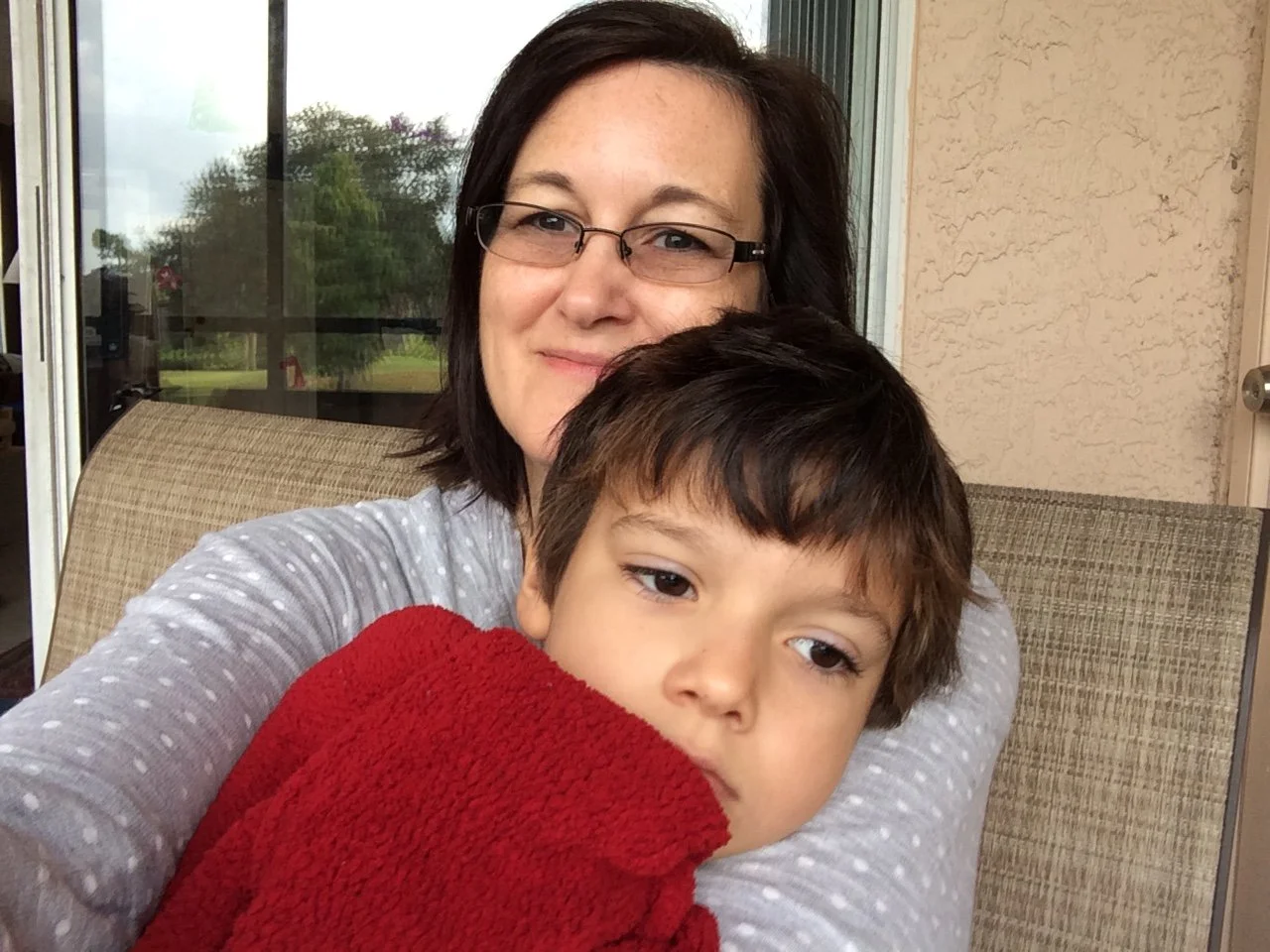
For years, I believed that being a good parent meant sacrificing more of myself. What I didn’t realize was that my children weren’t just learning from my words and actions—they were also experiencing my stress, my pace, and my ability to stay calm. Looking back, I wish someone had taught me that caring for myself wasn’t separate from caring for my children. It was part of it.
The Most Important Dementia Skill I Had to Learn
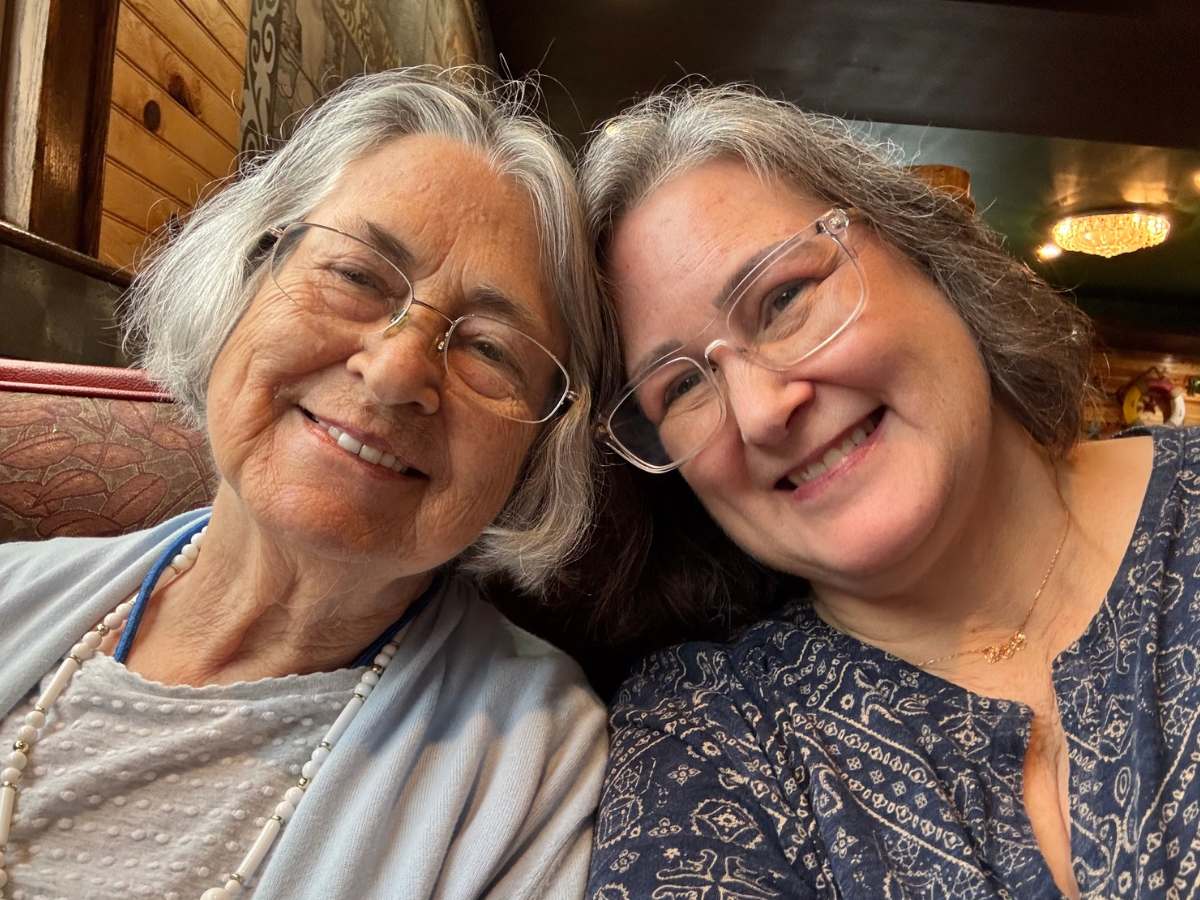
I thought helping my mother meant helping her remember. Dementia taught me something very different. One simple change in how I responded transformed our relationship and brought us both more peace.

Why We Chose Arden Courts for My Mom
How do you know when it’s time to consider memory care? For our family, the answer wasn’t clear-cut. This is the story of how we navigated one of the most difficult caregiving decisions and what mattered most as we searched for the right environment for my mother.
Meeting My Mother Where She Is
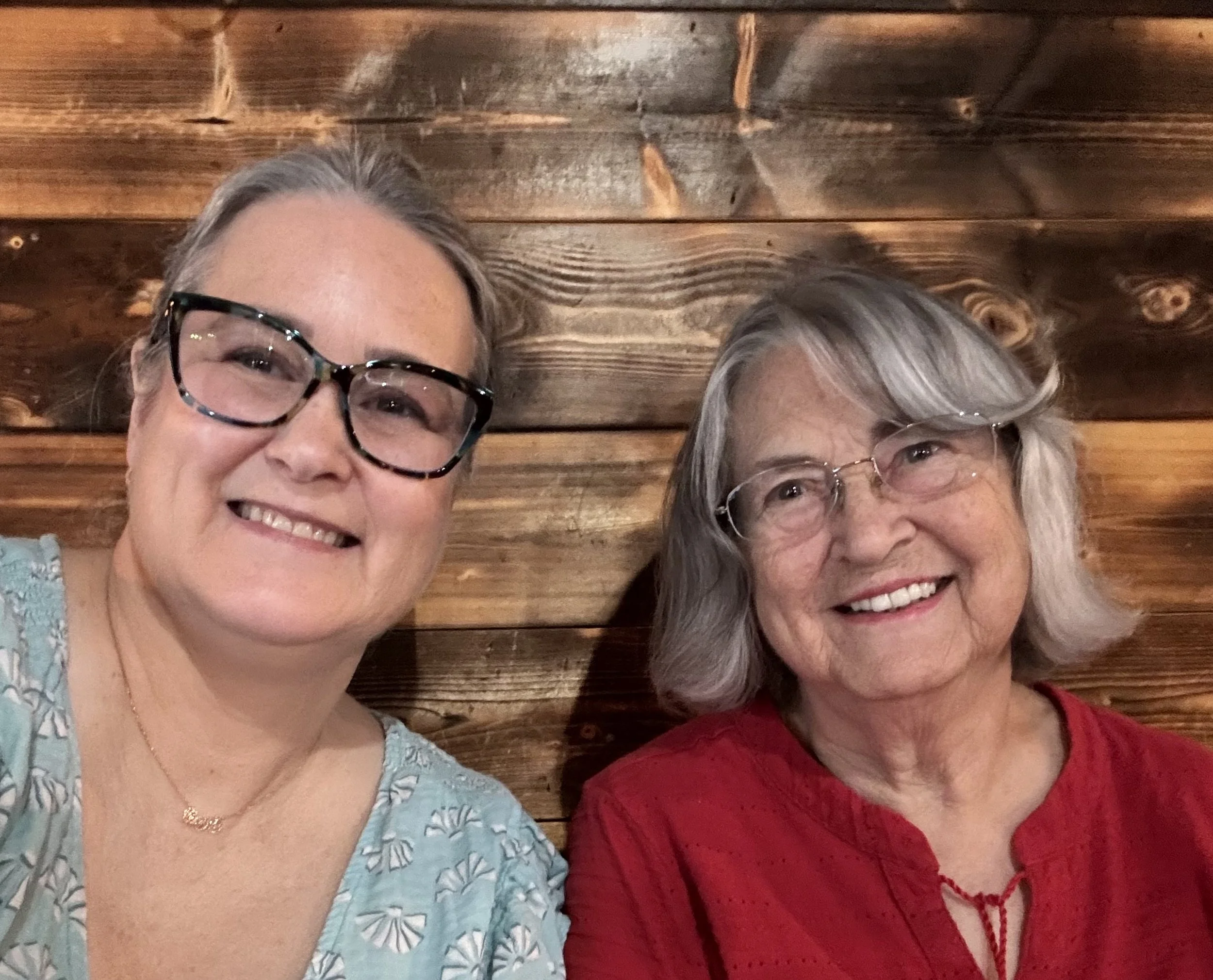
Before dementia, my mom started each morning feeding a great blue heron she called Big Bird. Years later, a small talking cardinal, a book of bird photographs, and an unexpected comment from a memory care employee reminded me that connection doesn't disappear when memory changes. Sometimes we simply have to learn new ways to find it.
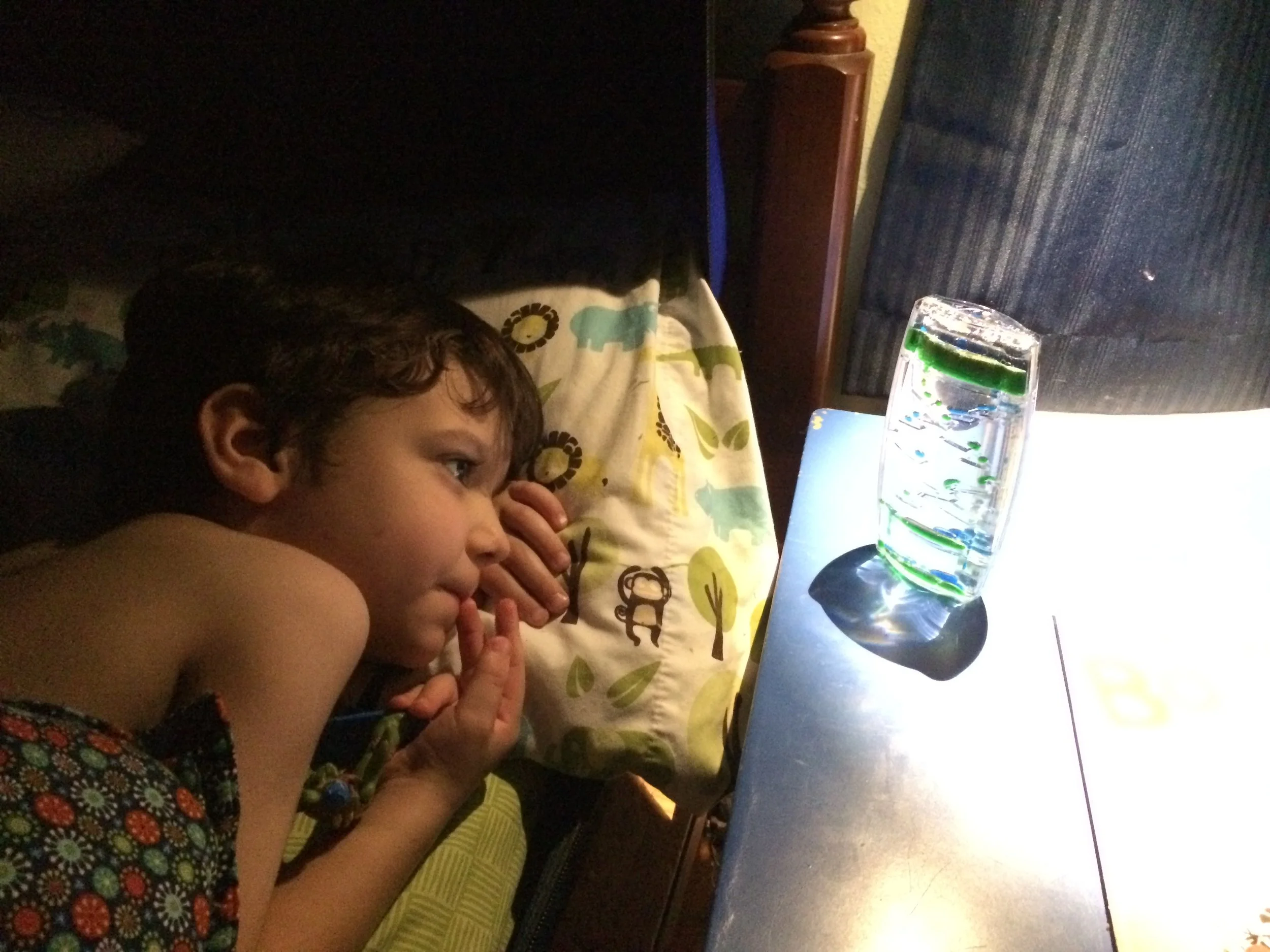
The Bed Tent That Changed Our Nights
Sleep was one of our family’s biggest challenges. My son didn’t consistently sleep through the night until he was five years old, and along the way we learned something important: helping him rest wasn’t just about bedtime routines. It was about understanding his sensory needs. From a bed tent and sensory pod chair to deep pressure and calming spaces, this is the story of what helped us create a more peaceful path to sleep.

When We Stopped Forcing the Fun
Sometimes the best family memories happen when we let go of the perfect itinerary. In this post, I share how our family learned to follow our child’s lead, choose activities that fit his needs, and redefine what success looked like when traveling and exploring together. (Photo Reference: First Roller Coaster Legoland)
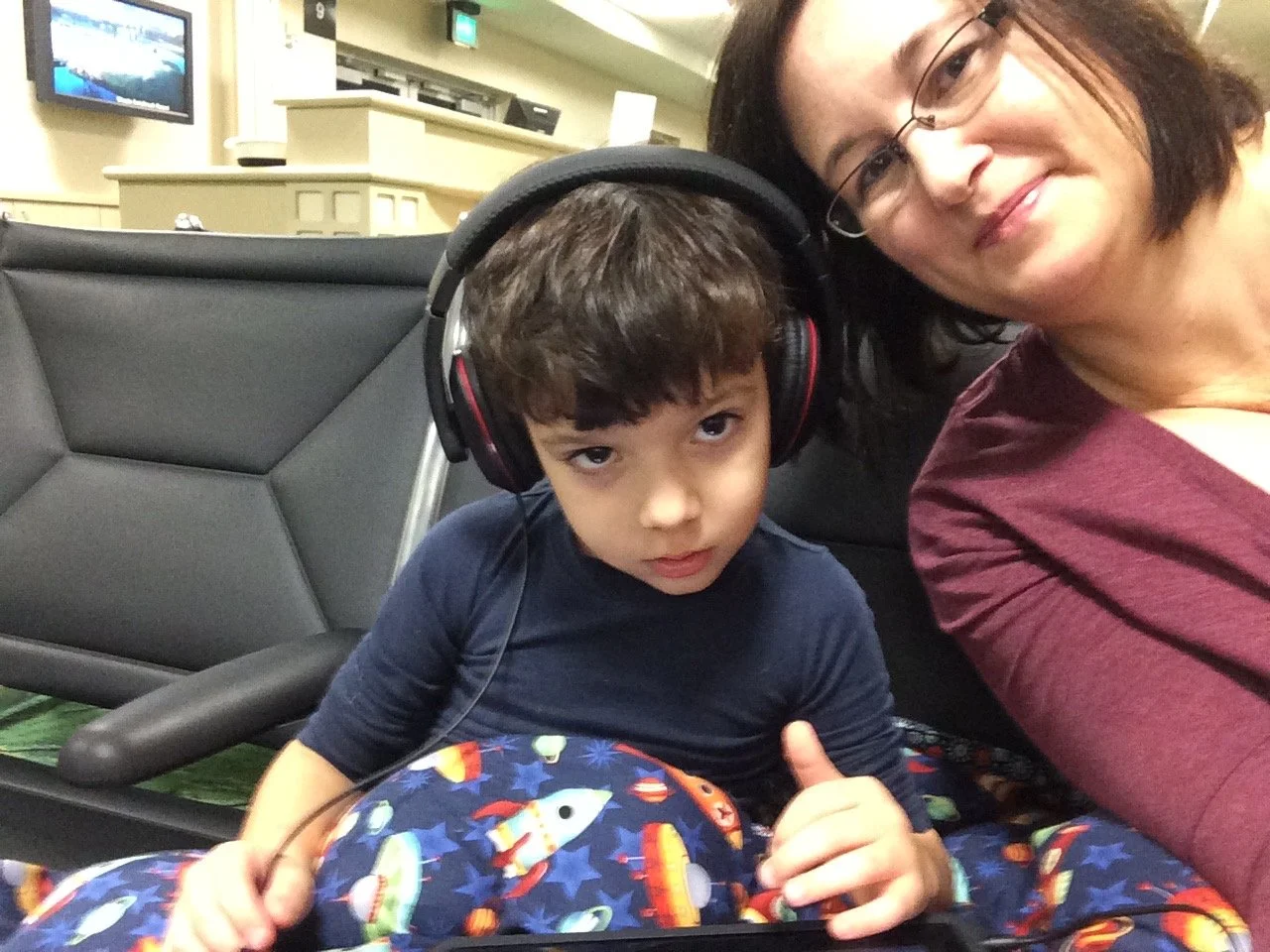
Traveling with a Child Who Has Sensory Differences
When my son was young, airports, airplanes, and long car rides often brought sensory challenges. Over time, we discovered strategies that helped him stay calm, engaged, and comfortable while traveling. In this post, I share the tools, activities, and lessons that helped our family navigate travel with greater confidence and less stress.
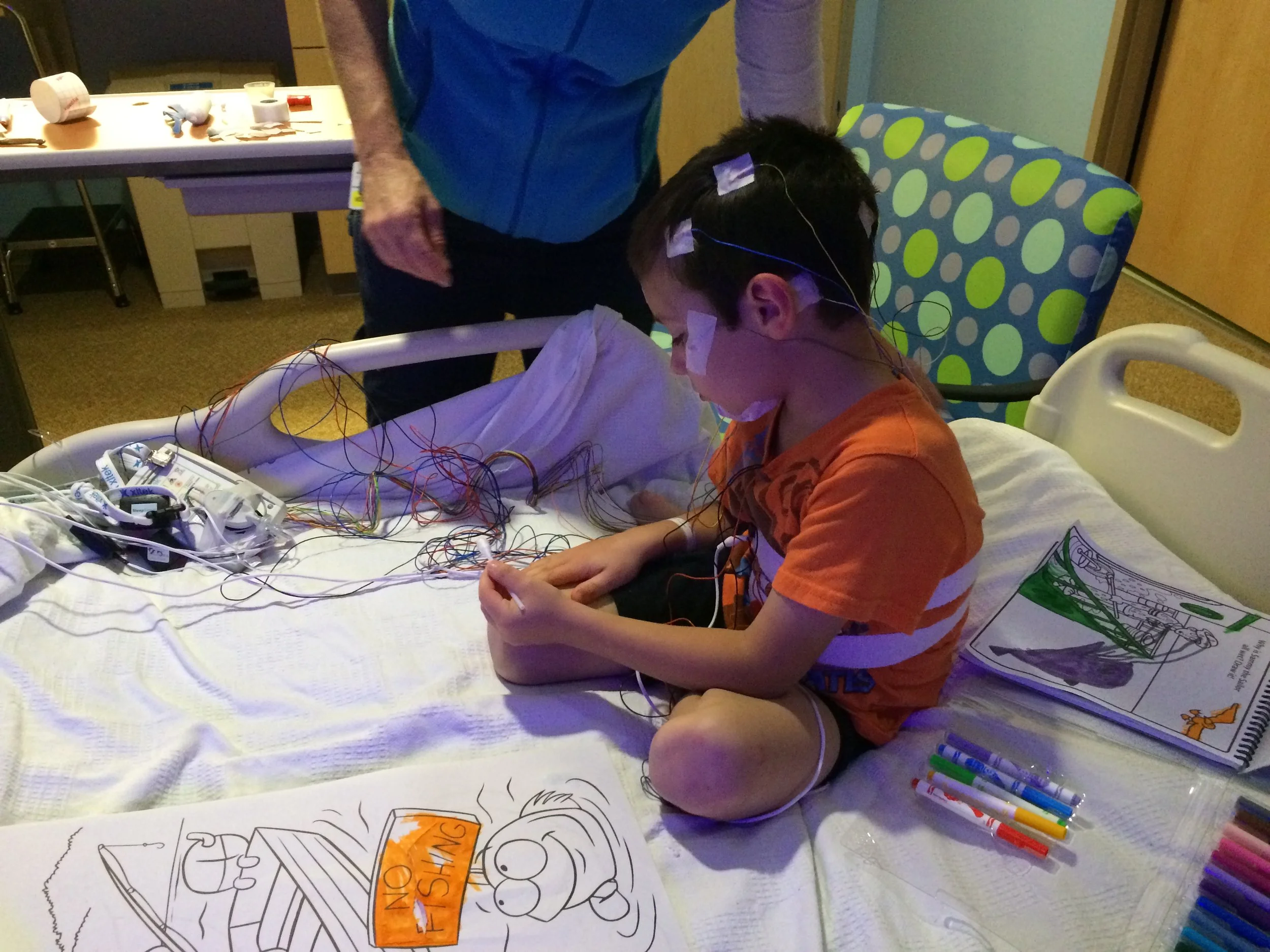
When Your Child Needs Testing: How to Get Through the Appointments, Evaluations, and Waiting
Medical testing and evaluations can feel overwhelming for children with autism, sensory sensitivities, or developmental differences. This guide shares gentle, practical ways to help children feel safer and more prepared during appointments, sleep studies, and medical procedures.

Why NICU Babies Sleep So Much (And Why That’s Okay)
Premature babies often spend much of their time sleeping in the NICU, leaving many parents wondering if this is normal or if they are missing opportunities to bond. In this gentle and reassuring guide, learn why sleep is such an important part of growth, healing, and brain development for NICU babies, along with simple ways parents can still connect and support their little one during these quiet moments.