
Welcome to the Support & Caregiving Blog.
This space offers gentle support, encouragement, and resources for caregivers, families, neurodivergent individuals, and those navigating developmental, sensory, medical, and memory-care journeys.
When people feel supported, connection and growth become possible.

Supporting Your Baby’s Sensory Development in the Early Days
Learn how to gently support your baby’s sensory development in the NICU through touch, sound, and presence, without adding stimulation or pressure.

Music Therapy: Supporting Breast Milk Production and Infant Physiologic Stability
Music therapy is increasingly being recognized as a supportive intervention not only for infants, but for parents as well. Growing evidence suggests that sound, rhythm, and the emotional experience of music can influence stress levels, physiologic regulation, and the early bonding environment between parent and baby. Because the body systems that support milk production and infant stability are closely tied to the nervous system, approaches that promote calm and regulation may play a meaningful role during the postpartum period and beyond.
This article explores how maternal stress, hormone regulation, and infant physiologic stability are interconnected, and how music therapy may support both sides of this delicate system. By looking at current research and clinical applications, it offers insight into why music-based interventions are being integrated into early care settings and what this could mean for families navigating feeding, bonding, and recovery in the early weeks of life.

Recovering From a Cesarean Section: What to Expect and How to Heal After a C-Section Birth
Recovering from a cesarean birth is both a physical and emotional journey. As your body heals from major surgery and your heart adjusts to life with your new baby, it is normal to feel tired, sore, and in need of extra support. This guide gently walks you through what to expect after a C-section, how to care for your incision, ways to support comfort and healing, and when to reach out for medical or emotional help. Whether your cesarean was planned or unexpected, your recovery deserves patience, compassion, and care.

How to Calm a Crying Baby: Gentle, Evidence-Based Strategies for the Early Days
When your baby cries, it can feel overwhelming and heartbreaking, especially when you are not sure what they need. This gentle, evidence-based guide walks parents through why babies cry and shares calming strategies rooted in infant development, nervous system regulation, and responsive caregiving. From skin-to-skin and rhythmic movement to white noise and soothing touch, learn how to support your baby’s comfort while building trust and emotional security in the earliest days.
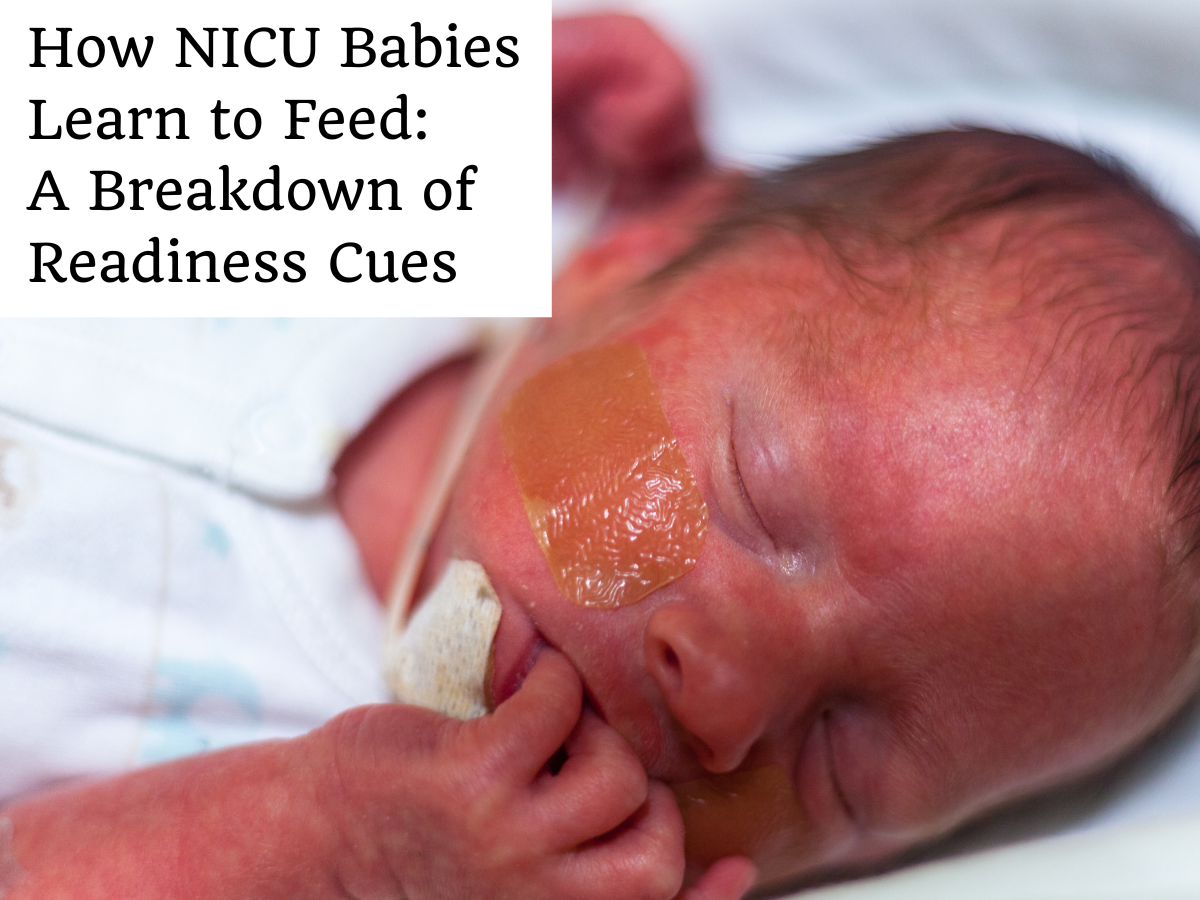
How NICU Babies Learn to Feed: A Breakdown of Readiness Cues
Feeding is one of the most complex skills a newborn must learn, especially for babies in the NICU. Before a baby can safely breast or bottle feed, their brain, muscles, breathing, and sensory systems must work together in precise coordination. This post gently explains the developmental process behind feeding and breaks down the readiness cues therapists and medical teams look for to know when a baby is truly ready to begin.
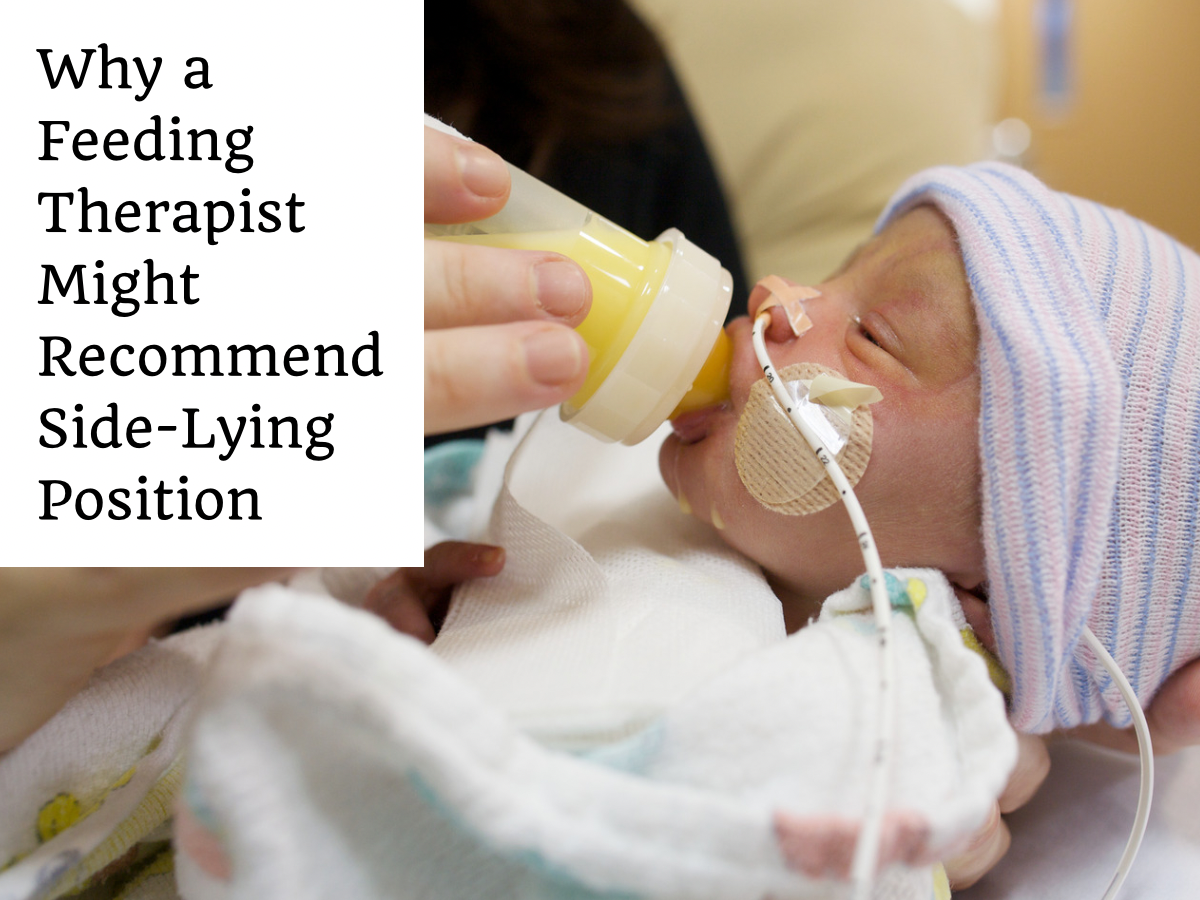
Why a Feeding Therapist Might Recommend Side-Lying Position for Your Baby in the NICU or After Discharge
Why might a feeding therapist recommend a change to side-lying during bottle feeds? This article explains how side-lying can support swallow-breathe coordination, reduce feeding stress, and improve safety for babies in the NICU or after discharge, using current research to guide parents with clarity and reassurance.

When Family Lives Far Away: How Long-Distance Loved Ones Can Truly Support NICU Parents
Not sure how to support NICU parents from afar? This guide offers gentle, practical ideas for long-distance family and friends who want to help without overwhelming.

New Year, New Way to Hold What This Season Brings
The New Year can feel heavy for NICU parents. This blog offers gentle encouragement, realistic support, and a compassionate way to move forward without pressure or resolutions.

When Your Baby Is in the NICU and Your Heart Is in Two Places
When your baby is in the NICU, your heart is often pulled between the hospital and home. This post gently explores the emotional weight of being in two places at once, and offers reassurance for parents navigating guilt, love, and impossible choices.

Understanding NICU Grief: Why It Shows Up Even When Your Baby Is Improving
Even when your baby is improving, grief can still surface. This post explores why NICU grief is real, common, and deeply human. And why feeling relief and sadness at the same time makes sense.

What to Say (and Not Say) to a Family With a Baby in the NICU
A compassionate guide on what to say and what not to say to families with a baby in the NICU. Learn how to offer real support without minimizing their experience.

Navigating the Holidays With a Baby in the NICU: A Parent’s Guide
Celebrating the holidays while your baby is in the NICU can be emotionally complex. This post provides support, perspective, and reassurance during a season that may feel uncertain.

The First 24 Hours in the NICU: A Parent’s Guide
When your baby is admitted to the NICU, the first 24 hours can feel like a blur of alarms, screens, and new information. This post helps you understand what the care team is monitoring — and what it means for your baby.

The Truth About Bottles & Nipple Flow Rates: What Parents Really Need to Know
Bottle feeding involves more than choosing a brand. This post explains nipple flow rates in plain language and helps parents understand how the right flow can support safer, more comfortable feeding.

The Heart of Healing: How Child Life Specialists Support Babies in the NICU
Child Life therapists play a vital role in supporting babies and families in the NICU. This post explains what Child Life does, how they support infants, parents, and siblings, and why their presence can make a meaningful difference during a NICU stay.

Common Lingo in the NICU: A Parent-Friendly Guide
The NICU comes with a language of its own, and hearing unfamiliar terms can feel overwhelming. This post breaks down common NICU lingo in clear, parent-friendly language so families can better understand what they’re hearing and ask questions with confidence.

The Power of Skin-to-Skin: Why Kangaroo Care Matters
Skin-to-skin care offers powerful benefits for babies and parents in the NICU, but it can also feel unfamiliar at first. This post explains why it matters, how it supports development and regulation, and how families can participate in ways that feel right for them.
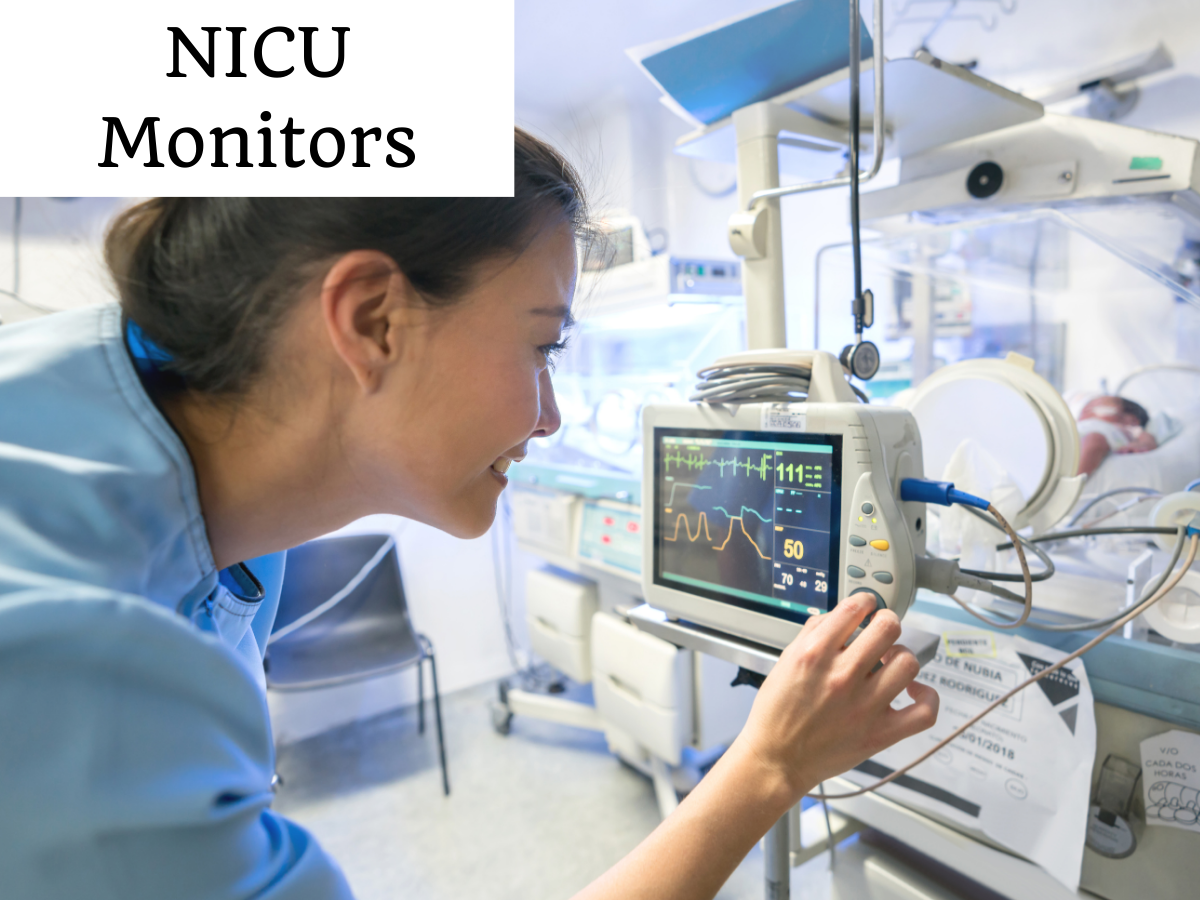
NICU Monitors Explained: What All the Numbers Mean
NICU monitors provide constant information about your baby’s wellbeing, but the numbers and alarms can feel overwhelming. This post explains what the monitors track, what common alerts mean, and how the care team uses this information to keep your baby safe.

What can I bring to the NICU?
When your baby is in the NICU, even packing a bag can feel overwhelming. This post helps parents understand what items are typically allowed, what may bring comfort, and what’s best to leave at home.

The Power of Primary Nursing in the NICU
Primary nursing helps provide consistency and familiarity during a NICU stay. This post explains what primary nursing is, how it supports babies and families, and how parents can ask about this model of care for their child